Style
The Art of Dressing Like Yourself
Just learning how to enjoy fashion without disappearing inside it.
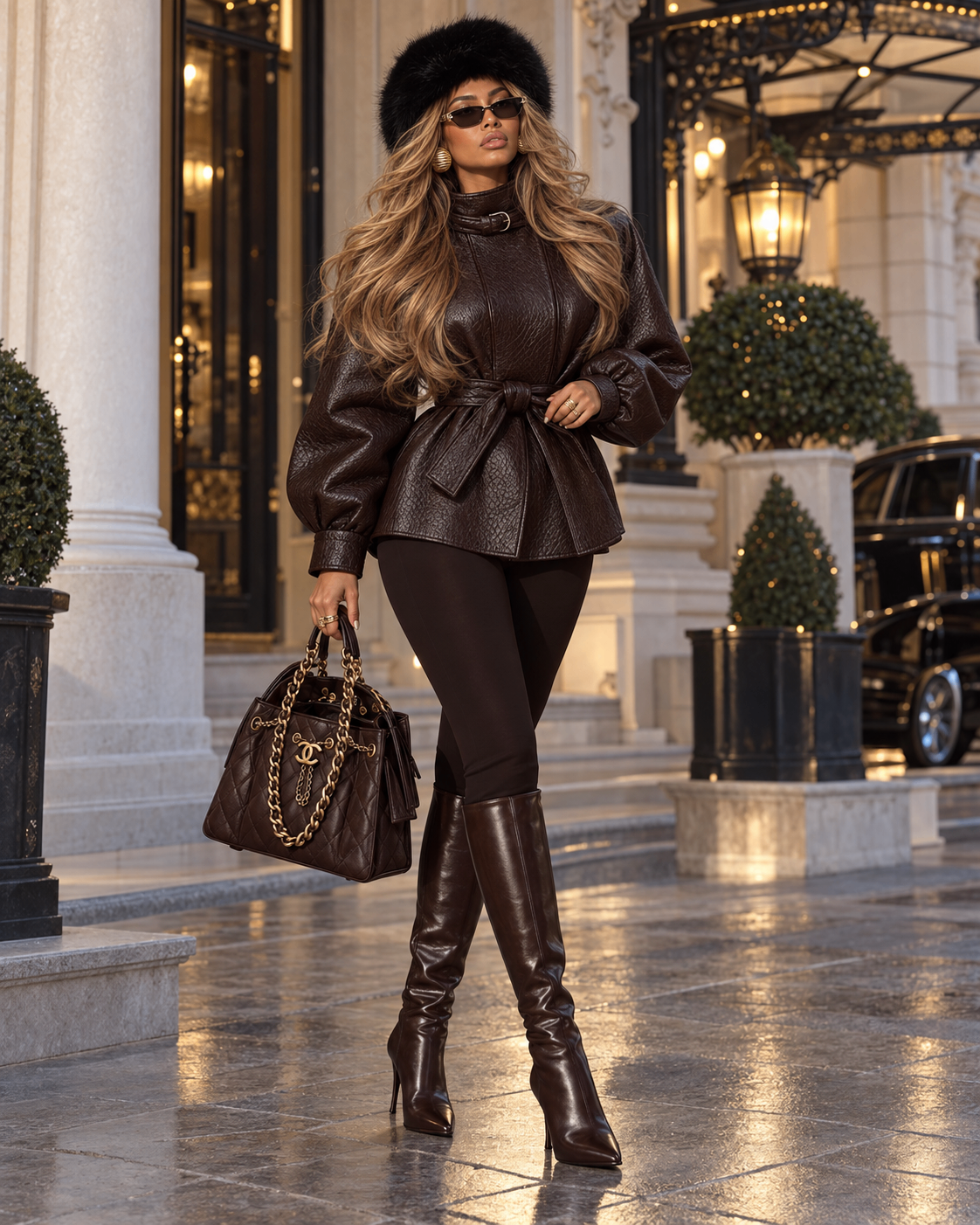
There was a point when getting dressed stopped being about what I actually liked and became about what I thought I was supposed to like.
What was flattering. What was current. What everyone else seemed to be wearing.
And somewhere in the middle of all that inspiration, I realised I couldn’t quite tell where the trend ended and I began.
I remember buying an outfit I’d seen everywhere online. On other women it looked effortless — polished, sexy, very put together. So naturally, I bought my version of it.
I wore it out to dinner and spent half the evening pulling at it.
Adjusting it when I stood up. Checking myself in mirrors. Looking at photos afterwards and wondering why I didn’t feel as good in it as I thought I was supposed to.
Nothing was technically wrong with the outfit.
It fit.
It was flattering.
It was on trend.
It just didn’t feel like me.
And that was the part I couldn’t ignore.
I’d somehow built a wardrobe full of things I liked on other people, but not necessarily on myself.
I think that happens more easily than we realise. We’re constantly being shown what to wear, what’s “in”, what silhouette is supposedly having a moment, what aesthetic we’re meant to adopt next.
One week you’re supposed to be minimal. Then hyper-feminine. Then quiet luxury. Then suddenly everyone’s dressing like they’ve inherited an estate in the countryside.
And I love fashion. I love clothes. I love seeing how other women put themselves together.
But inspiration and identity aren’t the same thing.
That took me a while to learn.
The real shift happened when I stopped asking, Does this look good? and started asking, Do I feel like myself in this?
Those are two completely different questions.
Something can be beautiful and still not belong in your wardrobe.
Something can suit your body and still not suit you.
And sometimes the clothes that make you feel the most like yourself aren’t particularly exciting on a hanger.
For me, personal style started becoming clearer when I paid attention to the pieces I reached for without thinking.
The jeans that always made me stand a little taller.
The shirt I’d worn so many times it had practically become part of my personality.
The dress I could throw on at the last minute and know I’d feel good in all evening.
The jewellery I never remembered to take off.
Those pieces were telling me something.
My wardrobe didn’t need a complete reinvention. It needed more honesty.
So I started noticing patterns.
I stopped keeping things just because I had spent money on them. I stopped buying clothes for an imaginary version of my life. I stopped convincing myself that something would suddenly become “me” if I styled it correctly enough.
And I became much more selective.
Not necessarily more expensive. Just more intentional.
I think there’s something incredibly freeing about reaching the point where you don’t need every trend to include you.
You can look at something beautiful and think, that’s gorgeous without immediately needing to own it.
You can admire somebody else’s style without trying to reproduce it on your own body.
You can let certain trends pass you by completely.
That, to me, is when getting dressed becomes fun again.
Because you’re no longer auditioning.
You’re not trying to prove that you’re fashionable enough, feminine enough, sexy enough, sophisticated enough or anything else enough.
You’re just choosing clothes that make sense for the woman wearing them.
And I don’t think personal style is something you discover once and then keep forever.
We change.
Our bodies change. Our lives change. Our confidence changes. What felt right at twenty-five might feel completely wrong at thirty, and that doesn’t mean you’ve lost your style.
It might mean you know yourself better.
My wardrobe now feels much quieter than it used to, but somehow more expressive.
There are fewer pieces fighting for attention.
More things work together.
I know the shapes I love, the colours I naturally gravitate towards, the amount of skin I’m comfortable showing, the difference between something that makes me feel sexy and something that simply looks sexy.
That distinction matters.
Because the best outfit in the room means very little if you spend the entire night conscious of what you’re wearing.
The clothes I love most are usually the ones I eventually forget about.
I put them on, feel good, and get on with my evening.
No tugging.
No constant checking.
No wondering whether I’ve somehow worn the outfit incorrectly.
Just me.
Maybe that’s what personal style really is.
Not a perfectly curated wardrobe.
Not having a recognisable “aesthetic”.
Not never making a questionable purchase again.
Just becoming familiar enough with yourself that you know when something belongs.
These days, before I buy something, I try to imagine it in my actual life.
Not on a Pinterest board. Not on somebody else’s Instagram. Not on the version of myself who apparently attends three glamorous events a week.
My real life.
Would I reach for it?
Would I feel comfortable?
Can I already picture what I’d wear it with?
Would I still want it if nobody else ever saw it?
That last question tells me quite a lot.
Because style becomes much simpler when you stop dressing for the imaginary audience.
And perhaps that’s the art of dressing like yourself.
Not becoming immune to trends.
Not refusing inspiration.
Just learning how to enjoy fashion without disappearing inside it.
I still get influenced. I still see someone wearing something incredible and immediately want to know where it’s from.
The difference is that now I know I don’t have to become her in order to appreciate it.
I can take the inspiration and leave the costume.
And my wardrobe feels much more like home because of it.
Letters from Lana
New Journal entries, quiet recommendations and occasional notes from Lana. No noise.